If you're building a long-term food storage plan, you need more than just canned goods.
You need ingredients that can truly go the distance, not for a few months, but for decades.
The following 35 foods are legendary in the prepping world for their impressive shelf life, and many of them last 30 years or even longer when stored properly.
That means airtight containers, oxygen absorbers, and a cool, dark, dry place.
Let’s dive into the ultimate list of foods that will be there when you need them most.
Note: I don't endorse any of these products, they are just used as examples.
1. White Rice
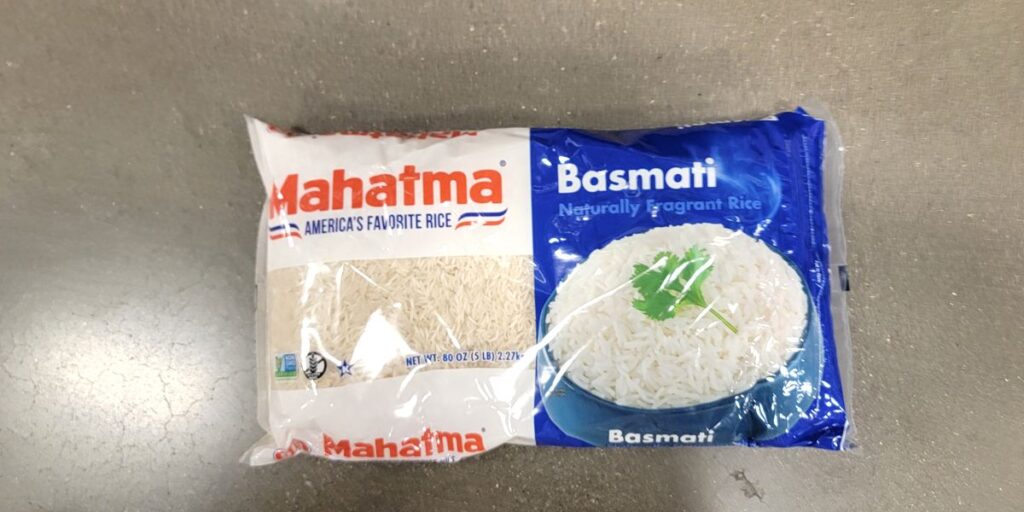
White rice is a staple in nearly every prepper pantry, and for good reason.
When stored in mylar bags with oxygen absorbers, it can last over 30 years.
It’s inexpensive, calorie-dense, and easy to prepare with just water and heat.
It also pairs well with almost anything, from beans to freeze-dried veggies.
Just remember to avoid brown rice for long-term storage, as its oil content makes it spoil faster.
2. Hard Wheat
Hard red wheat is a nutritional powerhouse and a must-have for baking.
It stores incredibly well in large buckets with oxygen absorbers and can last for decades.
You can grind it into whole wheat flour and make hearty breads, pancakes, and more.
It’s high in protein and fiber, making it a great foundational food.
You'll need a grain mill, but the versatility is worth the investment.
It's lighter cousin to red wheat is perfect for softer breads and pastries.
It retains the same nutritional value and long shelf life when stored properly.
Many people prefer the taste of white wheat, which has a milder flavor.
Like red wheat, it must be stored in airtight containers away from light and moisture.
It’s also a great choice for those transitioning from store-bought to homemade breads.
3. Rolled Oats
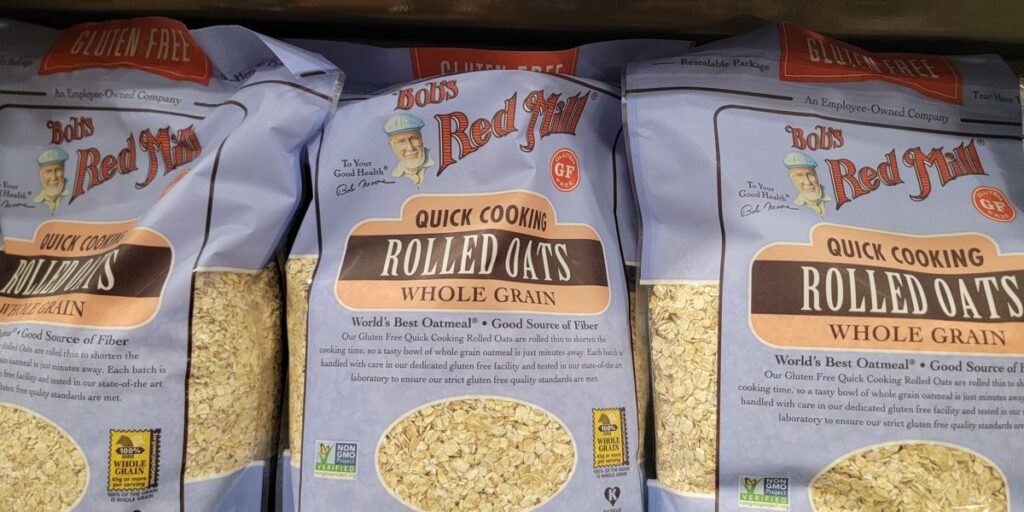
Rolled oats are ideal for breakfast, baking, or thickening soups.
They’re rich in fiber and can help regulate cholesterol.
With proper storage, oats can last 30 years or more. Without proper packaging, oats will only last 1 to 2 years at most.
Just be sure to keep them in sealed containers to protect against moisture and pests.
They also cook quickly, which makes them handy during power outages.
4. Quinoa
Quinoa is technically a seed, but it's treated like a grain in most recipes.
It contains all nine essential amino acids, making it a complete protein.
It has a nutty flavor and fluffy texture when cooked.
Store it in airtight containers with oxygen absorbers to extend its shelf life.
It’s a great gluten-free alternative to rice or pasta.
5. Corn (Dry Whole Kernel)
Dry whole kernel corn is a versatile grain that can be ground into cornmeal or used for popping.
When kept dry and sealed, it can last for decades.
It's a good source of carbohydrates and can be used in everything from tortillas to casseroles.
You’ll need a grain mill to make your own cornmeal, which is fresher and more nutritious than store-bought.
Just be sure it’s the untreated variety for long-term storage.
6. Popcorn (Unpopped)
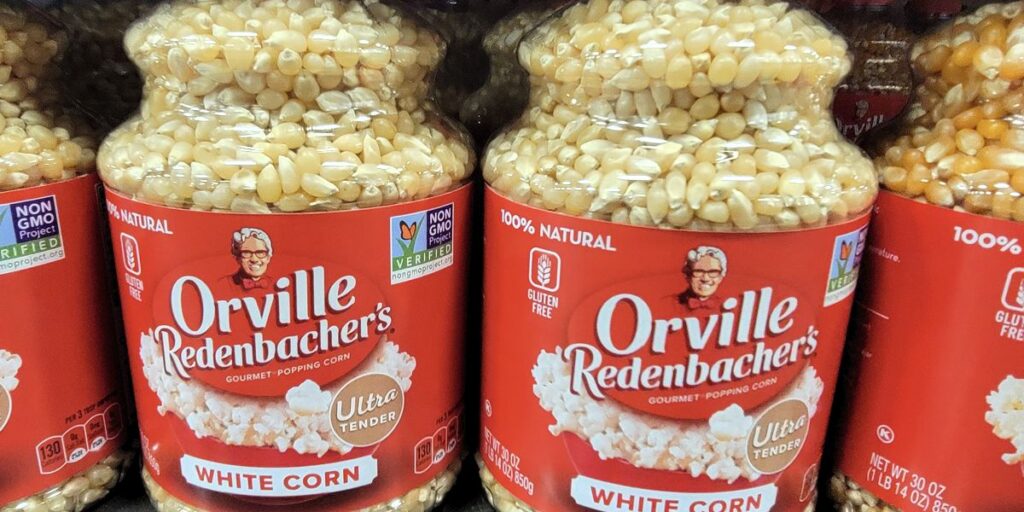
Unpopped popcorn is a whole grain that stores well over time.
Keep it dry and sealed, and you can enjoy fresh popcorn years from now.
It’s a fun snack but also a legitimate food source in survival situations.
Popcorn can be ground into cornmeal if necessary.
Just avoid microwave popcorn, which contains oils that spoil quickly.
7. Barley (Pearled or Hulled)
Barley is another ancient grain that stores well and is easy to cook.
It adds bulk and nutrition to soups, stews, and pilafs.
Hulled barley retains more nutrients, but both types last a long time when kept dry.
It’s high in fiber and helps regulate blood sugar.
Just store it in airtight containers to keep moisture and bugs out.
8. Pinto Beans
Pinto beans are a budget-friendly protein source with an incredibly long shelf life.
They must be cooked properly to soften, but they’re versatile and filling.
Use them in soups, chili, or mash them for burritos and refried beans.
Store them in sealed containers with oxygen absorbers.
Over time, they may take longer to cook but will still be edible.
9. Black Beans
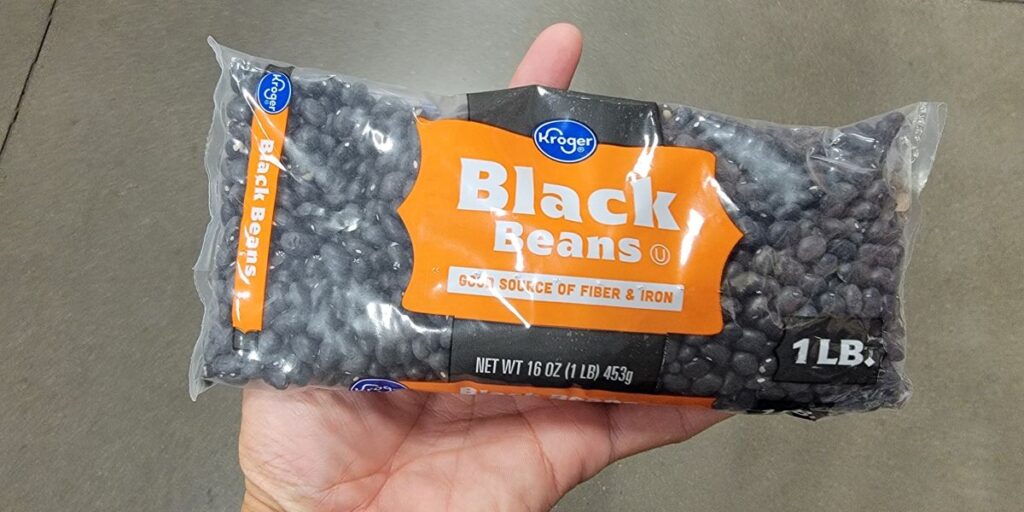
Black beans are small, nutrient-dense, and delicious in a variety of dishes.
They’re packed with protein, fiber, and essential minerals.
In dry form, they can last for decades when stored away from air and moisture.
They pair well with rice and spices, creating complete meals with minimal ingredients.
Soak and cook them properly to improve texture and digestibility.
10. Kidney Beans

Kidney beans are large, hearty, and perfect for stews and chili.
They must be boiled thoroughly to neutralize natural toxins.
Like other beans, they store extremely well when kept dry and sealed.
They’re rich in iron and protein, making them ideal for survival nutrition.
Keep them in rotation with your other legumes for variety.
11. Lentils
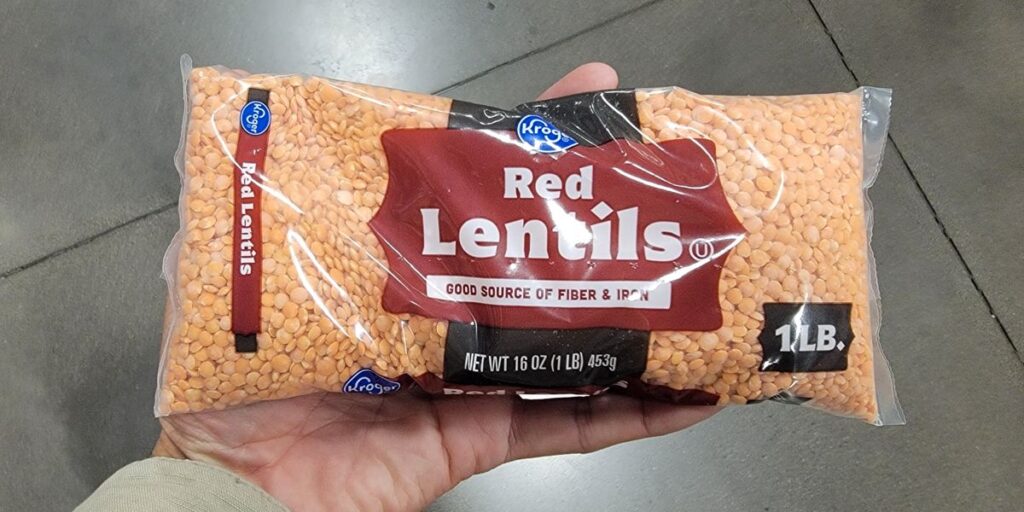
Lentils are small but mighty, cooking faster than most dried legumes.
They come in several varieties, each with its own texture and flavor.
Lentils are excellent in soups and salads and can be sprouted for added nutrition.
Store them in mylar bags or jars with oxygen absorbers.
Their long shelf life and quick cooking time make them a favorite among preppers.
12. Split Peas
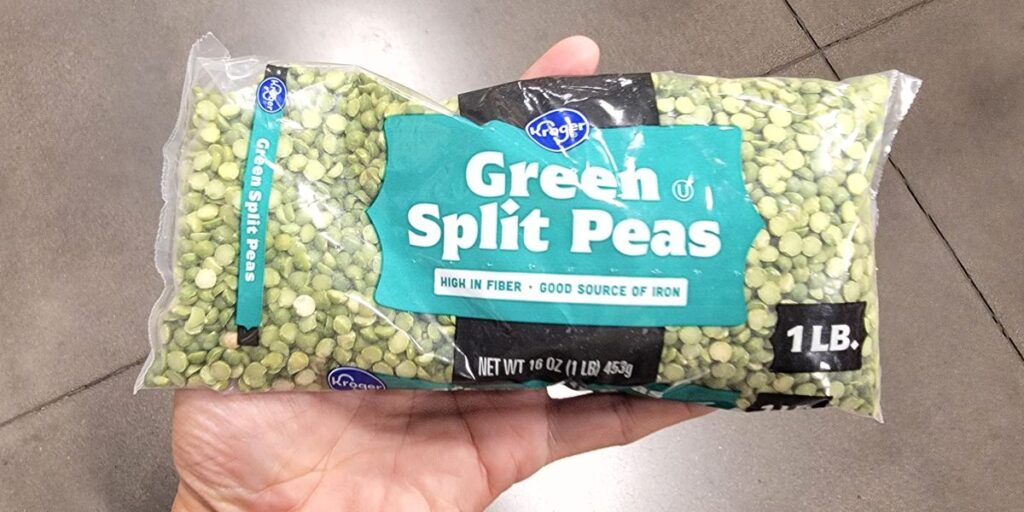
Split peas cook down into a creamy texture, perfect for soups and stews.
They’re inexpensive, filling, and full of plant-based protein.
With proper storage, they can last more than 30 years.
Like lentils, they don’t require soaking and cook relatively quickly.
They’re also a great way to add fiber to your diet.
13. Chickpeas (Garbanzo Beans)
Chickpeas are the base of hummus but have many other uses.
Roast them for a crunchy snack, mash them into patties, or add them to stews.
They have a long shelf life when dry and sealed.
Soaking overnight helps reduce cooking time and improve digestion.
Chickpeas are high in protein, iron, and fiber.
14. Nonfat Dry Milk
This shelf-stable dairy product is ideal for baking, drinks, or cereal.
It’s not the tastiest on its own, but it’s extremely useful in recipes.
Keep it sealed and dry to extend its life past 30 years.
It’s also helpful in emergency situations where refrigeration isn’t available.
A must-have for powdered pantry essentials.
15. Powdered Eggs (Dehydrated)
Powdered eggs are a reliable protein source when fresh eggs aren't available.
Use them for baking or cooking by simply adding water.
They require no refrigeration and last decades when sealed properly.
Ideal for bug-out bags, camping, or home food storage.
The flavor isn’t identical to fresh, but the nutrition is still there.
16. Dehydrated Butter Powder
Butter powder offers the fat and flavor of butter without refrigeration.
It’s not for spreading on toast, but it’s great in baking and cooking.
Store it in a cool, dry place and it will last for decades.
You can rehydrate it or use it as-is in mixes.
It adds richness to otherwise bland emergency meals.
17. Baking Soda
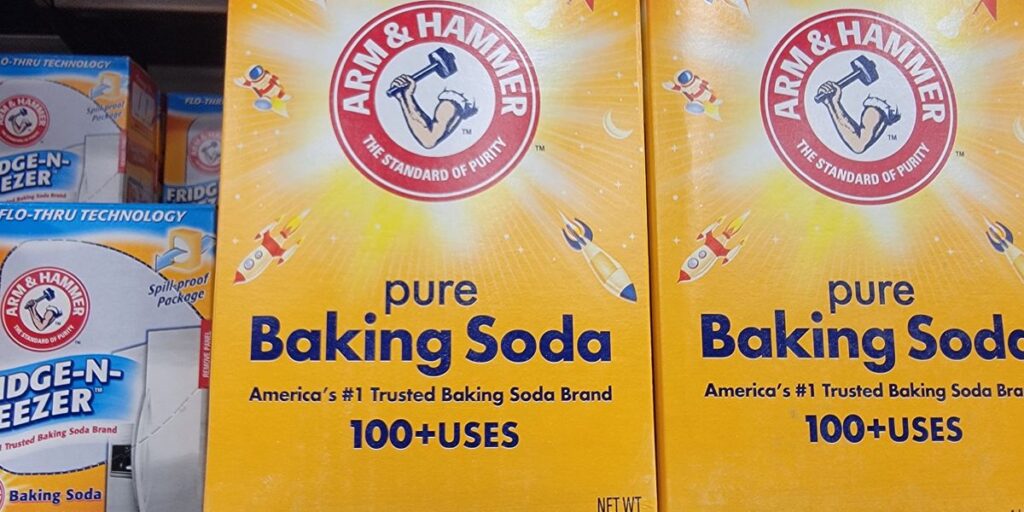
Baking soda has an indefinite shelf life when kept dry.
It’s useful not just in baking but also for cleaning and deodorizing.
You can brush your teeth with it or use it to settle an upset stomach.
It’s cheap and easy to store in bulk.
A true multi-purpose essential for any prepper pantry.
18. Salt (Iodized or Non-Iodized)
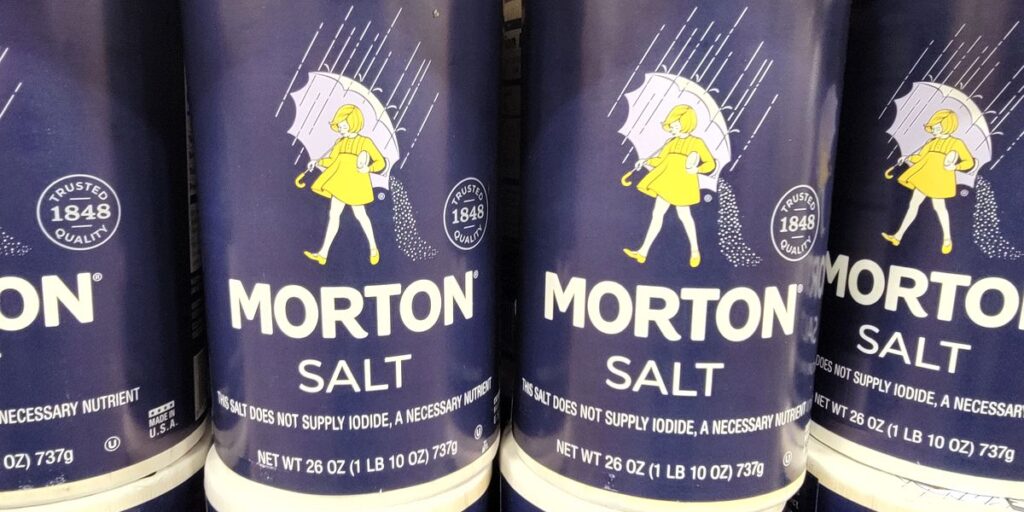
Salt never spoils and is vital for seasoning and preserving food.
It can be used in pickling, curing, and fermenting.
Iodized salt adds essential nutrients, while pure salt has broader uses.
Store it in a moisture-proof container and it will last forever.
Every long-term storage plan should include plenty of salt.
19. Cornstarch
Cornstarch is mainly used as a thickener in cooking.
It lasts indefinitely if stored in a dry, airtight container.
It’s helpful for making gravies, sauces, and even homemade powders.
Though not calorie-dense, it adds cooking versatility. K
eep a few containers in your deep pantry.
20. Honey
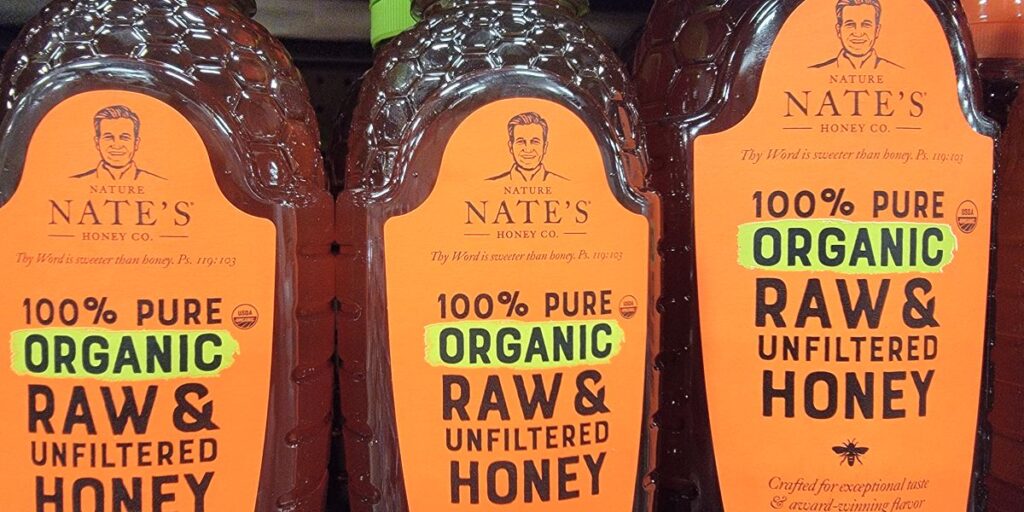
Honey is one of the only foods that truly never goes bad.
It might crystallize over time, but you can fix that by gently warming the jar.
It’s naturally antimicrobial and packed with energy.
Great for sweetening, baking, or treating minor wounds.
Make sure to store it in sealed glass jars.
21. White Sugar
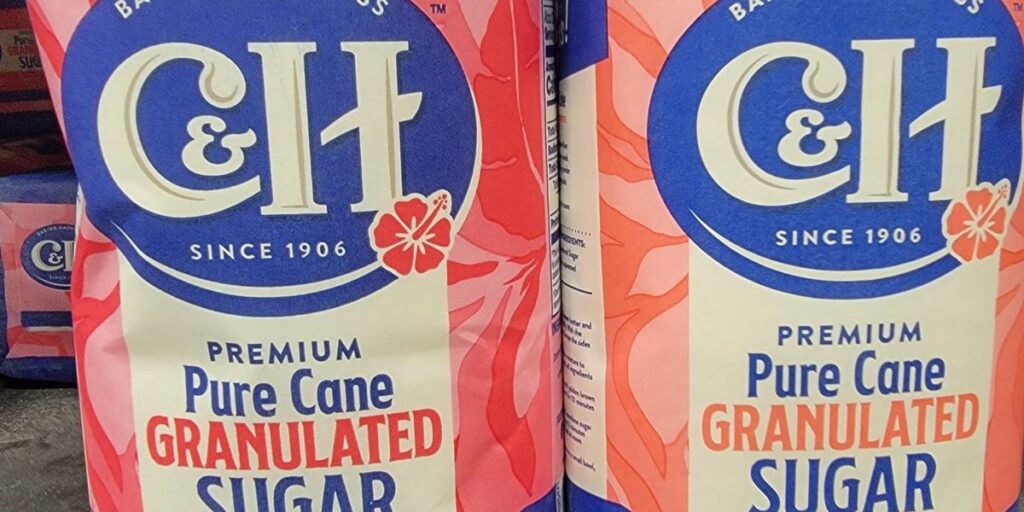
White sugar lasts indefinitely if kept dry.
It’s important for baking, preserving fruit, and making treats.
Sugar can also be used in fermentation and brewing.
Store it in airtight containers to keep it from clumping.
It’s one of the most versatile sweeteners in long-term storage.
22. Maple Sugar
Made from dehydrated maple syrup, maple sugar is a long-lasting alternative to regular sugar.
It adds a rich, unique flavor to baked goods.
Store it sealed and dry to maintain freshness.
It can be used as a direct substitute for white sugar in most recipes.
A flavorful option that elevates simple meals.
23. Molasses Powder
Molasses powder brings the rich, deep taste of molasses without the mess.
It stores much better than the liquid version.
Use it in baking, sauces, and marinades.
It's a great source of iron and adds warmth to any dish.
Perfect for long-term sweetening needs.
24. Dry Pasta
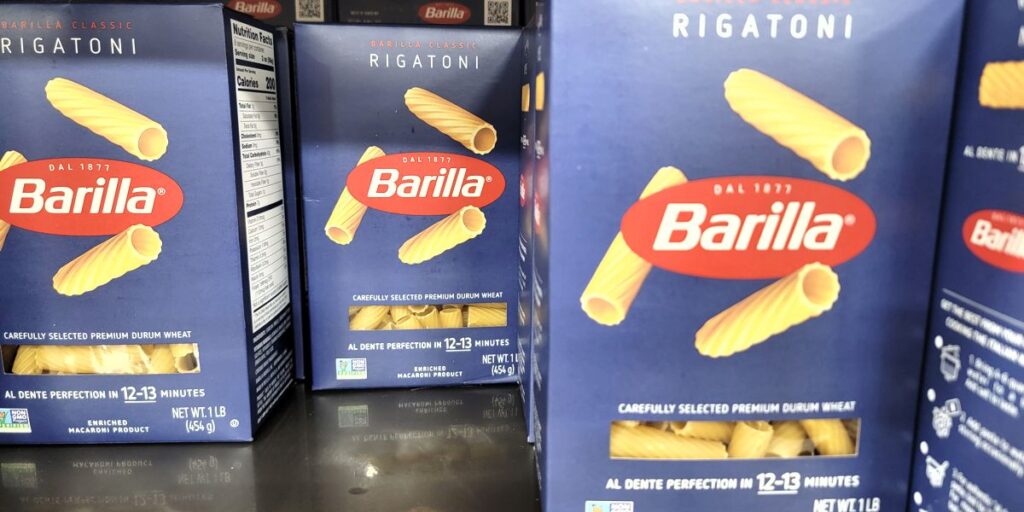
Pasta is one of the easiest foods to store long-term.
Keep it dry and sealed, and it will last 30 years or more. It’s quick to cook and universally loved.
Store a variety of shapes to keep meals interesting.
It pairs well with almost anything in your pantry.
25. Freeze-Dried Food
These complete meals are the ultimate in convenience.
Just add hot water and enjoy a full meal with meat, veggies, and starches.
They’re a bit pricey but worth it for variety and nutrition.
Shelf lives often exceed 25 to 30 years.
Perfect for bug-out bags and home storage alike.
If you buy only one thing on this list, freeze dried food is it.
You can also create your own freeze dried food by buying a freeze dryer, but that requires more of an investment.
26. Bouillon Cubes or Powder
These flavor boosters are compact and versatile.
Use them to turn plain rice, beans, or noodles into savory dishes.
They last for years, if you keep them dry.
Available in chicken, beef, and vegetable varieties.
A small cube goes a long way when supplies are tight.
27. Cocoa Powder (Unsweetened)
Unsweetened cocoa lasts decades when kept dry.
It brings chocolate flavor to drinks, desserts, and even chili.
High in antioxidants and morale-boosting in tough times.
Store it in airtight containers to preserve flavor.
A pantry luxury that lasts.
28. Soybeans (Dry)
Soybeans are high in protein and can be used in a variety of ways.
Make soymilk, tofu, or sprout them for salads.
Dried soybeans store well for 30+ years.
They also contain healthy fats and are very filling.
A great option for plant-based diets.
29. Spelt (Whole Grain)
Spelt is an ancient grain with a nutty flavor. It stores as well as wheat and can be milled into flour.
Great for baking, cereals, and more.
Keep it in airtight containers for best results.
Adds variety to your grain supply.
30. Amaranth
Tiny but mighty, amaranth is a protein-rich seed.
It’s gluten-free and cooks like a cereal grain.
Store it sealed and dry to preserve it for decades.
Use it in porridge, baking, or granola. An underrated gem in long-term food storage.
Final Thoughts
When I first started storing food, we bought a lot of canned food.
That was a big mistake.
We don't eat a lot of canned food, so all of that food went bad.
The lesson here: Only buy canned food if you actually eat canned food a lot.
Otherwise, buy stuff that will last a very long time. This is NOT a waste of time.
Freeze dried food is the best bet for emergency food storage.
It can be expensive though, so you can supplement your stores with some of the foods on this list.
To get some quality items on this list in bulk, check out Azure Standard. They are our favorite for buying food for storage.
This is NOT a sponsored post, we just like what they do.